If you live in Langford and have ever wondered whether your energy dips, unusual thirst, or weight fluctuations might be connected to your blood sugar, you’re not alone — and you’re asking exactly the right question. Across British Columbia, diabetes and pre-diabetes are quietly affecting hundreds of thousands of people, many of whom have no idea their blood glucose levels are creeping into dangerous territory.
The encouraging news? Diabetes — particularly Type 2 — is largely preventable when caught early. And the single most powerful tool for catching it early is consistent, informed blood sugar monitoring. This guide is designed specifically for Langford residents who want clear, practical, medically grounded advice on why monitoring matters, how to do it effectively, and how to access the resources you need — including a free blood sugar monitor through your local pharmacy.
What Does Blood Sugar Actually Tell You About Your Health?
Blood sugar, or blood glucose, refers to the concentration of glucose circulating in your bloodstream at any given moment. Derived from the foods you eat, glucose is your body’s primary fuel source. After a meal, your pancreas releases insulin to help cells absorb glucose for energy — and when this system works correctly, blood sugar stays within a healthy range. When it falters, whether due to insulin resistance or insufficient insulin production, glucose accumulates in the bloodstream and can, over time, damage blood vessels and nerves, contributing to serious complications like cardiovascular disease, kidney damage, vision loss, and neuropathy.
Who Is at Risk? Understanding Pre-Diabetes
Pre-diabetes occurs when blood glucose levels are elevated but not yet high enough to qualify as Type 2 diabetes — and because it rarely causes noticeable symptoms, most people have no idea they have it.
Diabetes Canada estimates that roughly one in three Canadian adults lives with the condition. Risk factors include family history, sedentary work, abdominal weight gain, high blood pressure, gestational diabetes, and being over 40, with Indigenous, South Asian, and other racialized communities facing disproportionately higher risk due to genetic, environmental, and systemic factors.
The encouraging news is that pre-diabetes is reversible — when caught early through regular monitoring, targeted lifestyle changes in nutrition, physical activity, and stress management can normalize blood sugar levels and prevent the progression to Type 2 diabetes entirely.
Why Regular Blood Sugar Monitoring Changes Everything
There is a significant difference between having blood work done once a year at your family doctor’s office and practicing consistent blood sugar monitoring at home. Annual lab tests offer a snapshot of a given moment in time. Home monitoring, by contrast, offers a dynamic, ongoing picture of how your body responds to daily life.
- Early detection saves lives and reduces costs:
The Canadian Diabetes Association estimates that the annual healthcare cost for a person with diabetes is roughly three times higher than for someone without it. Catching elevated glucose levels before they cross the diagnostic threshold for diabetes means the opportunity to intervene with lifestyle changes rather than medication — a profoundly better outcome for both the individual and the healthcare system.
- It empowers informed decision-making:
When you can see in real numbers how a bowl of white rice versus brown rice affects your glucose, or how a 20-minute walk lowers your reading, you gain a level of agency over your health that no pamphlet can provide. Regular monitoring transforms abstract advice into concrete, personalized feedback.
- It improves outcomes for those already diagnosed:
For individuals managing Type 1 or Type 2 diabetes, consistent blood glucose monitoring is not optional — it is essential. It helps prevent hypoglycaemia (dangerously low blood sugar), guides medication and insulin adjustments, and helps healthcare providers make better treatment decisions.
How to Choose the Right Blood Glucose Monitor
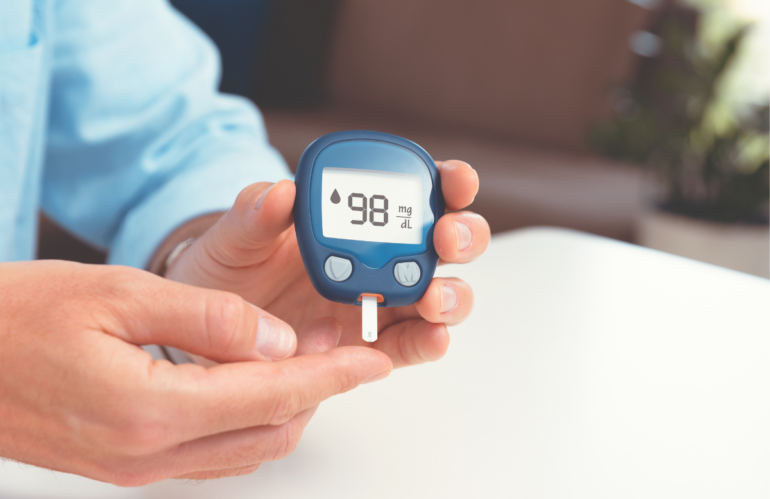
A blood glucose monitor (glucometer) typically consists of a handheld device, test strips, and a lancing tool to obtain a small blood sample. When choosing one, prioritize ease of use (large screens, simple operation), affordable and widely available test strips, and Bluetooth connectivity if you want to track trends or share data with your care team. Accuracy is non-negotiable — Health Canada requires approved monitors to meet ISO 15197:2013 standards, meaning results must fall within 15% of lab values at least 95% of the time. When in doubt, ask your pharmacist for guidance.
Did You Know You May Qualify for a Free Blood Sugar Monitor?
Cost is one of the biggest barriers to blood sugar monitoring — but many Langford residents may qualify for a free or subsidized monitor without realizing it. In British Columbia, eligible patients with Type 1 diabetes or insulin-dependent conditions may receive coverage through PharmaCare, and many manufacturers also offer starter kits or rebate programs for new users. Langford Pharmacy works directly with patients to navigate these options, so whether you’re newly diagnosed, pre-diabetic, or simply monitoring preventively, speaking with one of their registered pharmacists can help you access the right tools at little to no cost.
You May Qualify for a Free Monitor — Ask Us How
Langford Pharmacy helps residents navigate provincial PharmaCare programs and manufacturer rebates to access free or subsidized blood glucose monitors. Speak with our pharmacist team at your next visit or call us to learn more
Langford Pharmacy: Your Local Partner in Preventive Health
Langford Pharmacy is an independently owned, community-rooted pharmacy — not a corporate chain — and that difference is felt the moment you walk in. Our registered pharmacists offer personalized consultations on blood sugar management, help eligible residents access free monitors through provincial and manufacturer programs, and provide comprehensive diabetes support covering medication adherence, insulin technique, dietary guidance, and referrals to diabetes educators. Conveniently located in the heart of Langford, they offer the kind of relationship-driven care that chain pharmacies simply can’t replicate.
Practical Tips for Effective Blood Glucose Monitoring at Home
Owning a monitor is only the first step — using it correctly is what makes the data meaningful. Test at consistent times: fasting readings each morning and two hours after meals give the most comparable results.
Always wash and dry your hands beforehand, and rotate lancing sites across fingers to avoid calluses. Log every reading, along with notes on meals, activity, and how you felt — your pharmacist and doctor will find this invaluable. Finally, store test strips in their original sealed container away from heat and humidity to prevent inaccurate readings.
Conclusion: Take Control of Your Health — Starting Today
You do not need to wait for a diagnosis to start taking your metabolic health seriously. If you live in Langford or anywhere on the West Shore, Langford Pharmacy is ready to help you understand your blood sugar, access a free blood glucose monitor if you qualify, and build a monitoring routine that fits your life. Prevention is always less costly — financially and personally — than treatment. Visit Langford Pharmacy today and let their team give you the tools and knowledge you deserve.
FAQs
Q1: How often should I check my blood sugar if I have not been diagnosed with diabetes?
A. If you’re at risk for diabetes, checking once daily or a few times per week can help monitor trends, but it’s best to consult a healthcare professional.
Q2: Can I get a free blood sugar monitor in BC if I am pre-diabetic?
A. Free monitors in BC are usually covered for insulin users, but rebates or pharmacy programs may offer low-cost options for those at risk.
Q3: What is the difference between a blood glucose monitor and a continuous glucose monitor (CGM)?
A. A blood glucose monitor gives a single reading from a finger prick, while a CGM tracks glucose levels continuously using a small sensor under the skin.
Q4: Are blood glucose monitors accurate enough to rely on for medical decisions?
A. Health Canada-approved monitors are accurate when used properly, but laboratory tests are still required to confirm a diagnosis.